


I first intended to publish this article from the New York Times on international women’s day
about a largely unknown Black journalist.
However it is as appropriate now as it was then. I apologise if people find the graphic
disturbing however it is important that people understand the nature of racism
in the United States until recently.
When we contrast this with the false and fake ‘anti-Semitism’ campaign
in the Labour Party then people should be rightly angry.
Tony Greenstein
By CAITLIN DICKERSON
 |
Ida B. Wells, one of the nation’s most influential investigative reporters, in 1920. Chicago History Museum/Getty Images
It was not all that unusual when, in 1892, a mob dragged Thomas Moss out
of a Memphis jail in his pyjamas and shot him to death over a feud that began
with a game of marbles. But his lynching changed history because of its effect
on one of the nation’s most influential journalists, who was also the godmother
of his first child: Ida B. Wells.
of a Memphis jail in his pyjamas and shot him to death over a feud that began
with a game of marbles. But his lynching changed history because of its effect
on one of the nation’s most influential journalists, who was also the godmother
of his first child: Ida B. Wells.

“It is with
no pleasure that I have dipped my hands in the corruption here exposed,” Wells wrote
in 1892 in the introduction to “Southern Horrors,” one of her seminal works
about lynching, “Somebody must show that
the Afro-American race is more sinned against than sinning, and it seems to
have fallen upon me to do so.”
no pleasure that I have dipped my hands in the corruption here exposed,” Wells wrote
in 1892 in the introduction to “Southern Horrors,” one of her seminal works
about lynching, “Somebody must show that
the Afro-American race is more sinned against than sinning, and it seems to
have fallen upon me to do so.”
Wells is considered by historians to have been the most famous black
woman in the United States during her lifetime, even as she was dogged by
prejudice, a disease infecting Americans from coast to coast.
woman in the United States during her lifetime, even as she was dogged by
prejudice, a disease infecting Americans from coast to coast.
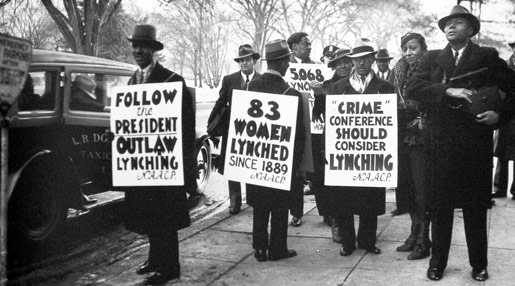
She pioneered reporting techniques that remain central tenets of modern
journalism. And as a former slave who stood less than five feet tall, she took
on structural racism more than half a century before her strategies were
repurposed, often without crediting her, during the 1960s civil rights
movement.
journalism. And as a former slave who stood less than five feet tall, she took
on structural racism more than half a century before her strategies were
repurposed, often without crediting her, during the 1960s civil rights
movement.
Wells was already a 30-year-old newspaper editor living in Memphis when
she began her anti-lynching campaign, the work for which she is most famous.
After Moss was killed, she set out on a reporting mission, crisscrossing the
South over several months as she conducted eyewitness interviews and dug up
records on dozens of similar cases.
she began her anti-lynching campaign, the work for which she is most famous.
After Moss was killed, she set out on a reporting mission, crisscrossing the
South over several months as she conducted eyewitness interviews and dug up
records on dozens of similar cases.

Her goal was to question a stereotype that was often used to justify
lynchings — that black men were rapists. Instead, she found that in two-thirds
of mob murders, rape was never an accusation. And she often found evidence of
what had actually been a consensual interracial relationship.
lynchings — that black men were rapists. Instead, she found that in two-thirds
of mob murders, rape was never an accusation. And she often found evidence of
what had actually been a consensual interracial relationship.
She published her findings in a series of fiery editorials in the
newspaper she co-owned and edited, The Memphis Free Speech and Headlight. The
public, it turned out, was starved for her stories and devoured them
voraciously. The Journalist, a mainstream trade publication that covered the
media, named her “The Princess of the Press.”
newspaper she co-owned and edited, The Memphis Free Speech and Headlight. The
public, it turned out, was starved for her stories and devoured them
voraciously. The Journalist, a mainstream trade publication that covered the
media, named her “The Princess of the Press.”
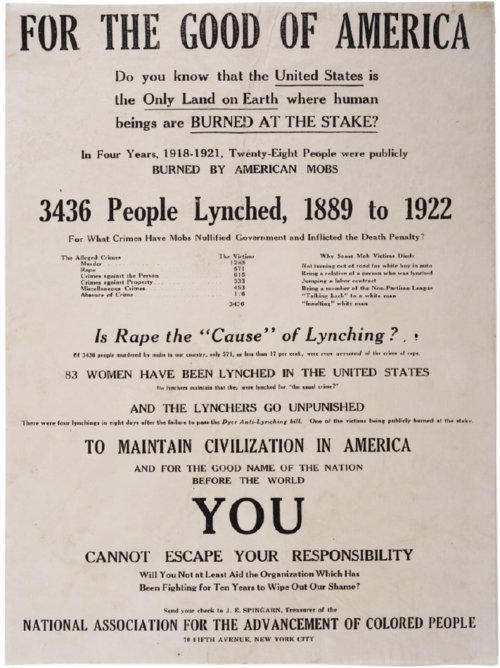
Readers of her work were drawn in by her fine-tooth reporting methods
and language that, even by today’s standards, was aberrantly bold.
and language that, even by today’s standards, was aberrantly bold.
Wells wrote
about the victims of racist violence and organized economic boycotts long
before the tactic was popularized.
about the victims of racist violence and organized economic boycotts long
before the tactic was popularized.
“There has been
no word equal to it in convincing power,”
no word equal to it in convincing power,”
Frederick Douglass wrote to her in a letter that
hatched their friendship. “I have spoken,
but my word is feeble in comparison,” he added.
hatched their friendship. “I have spoken,
but my word is feeble in comparison,” he added.
He was referring to writing like the kind that she published in The Free
Speech in May 1892.
Speech in May 1892.
“Nobody in
this section of the country believes the threadbare old lie that Negro men rape
white women,” Wells wrote.
this section of the country believes the threadbare old lie that Negro men rape
white women,” Wells wrote.
Instead, Wells saw lynching as a violent form of subjugation — “an excuse to get rid of Negroes who were
acquiring wealth and property and thus keep the race terrorized and ‘the nigger
down,’ ” she wrote in a journal.
acquiring wealth and property and thus keep the race terrorized and ‘the nigger
down,’ ” she wrote in a journal.

Wells was born into slavery in Holly Springs, Miss., in 1862, less than
a year before Emancipation. She grew up during Reconstruction, the period when
black men, including her father, were able to vote, ushering black
representatives into state legislatures across the South. One of eight
siblings, she often tagged along to Bible school on her mother’s hip.
a year before Emancipation. She grew up during Reconstruction, the period when
black men, including her father, were able to vote, ushering black
representatives into state legislatures across the South. One of eight
siblings, she often tagged along to Bible school on her mother’s hip.
In 1878, her parents both died of yellow fever, along with one of her
brothers; and at 16, she took on caring for the rest of her siblings. She
supported them by working as a teacher after dropping out of high school and
lying about her age. She finished her own education at night and on weekends.
brothers; and at 16, she took on caring for the rest of her siblings. She
supported them by working as a teacher after dropping out of high school and
lying about her age. She finished her own education at night and on weekends.
Around the same time, the Civil Rights Act of 1875 was largely nullified
by the Supreme Court, reversing many of the advancements of Reconstruction. The
anti-black sentiment that grew around her was ultimately codified into Jim
Crow.
by the Supreme Court, reversing many of the advancements of Reconstruction. The
anti-black sentiment that grew around her was ultimately codified into Jim
Crow.
“It felt
like a dramatic whiplash,” said Troy Duster, Wells’s grandson, who is a
sociology professor at the University of California, Berkeley, and New York
University. “She cuts her teeth
politically in this time of justice, justice, justice, and then injustice.”
like a dramatic whiplash,” said Troy Duster, Wells’s grandson, who is a
sociology professor at the University of California, Berkeley, and New York
University. “She cuts her teeth
politically in this time of justice, justice, justice, and then injustice.”
Observing the changes around her, Wells decided to become a journalist
during what was a golden era for black writers and editors. Her goal was to
write about black people for black people, in a way that was accessible to
those who, like her, were born the property of white owners and had much to
defend.
during what was a golden era for black writers and editors. Her goal was to
write about black people for black people, in a way that was accessible to
those who, like her, were born the property of white owners and had much to
defend.
Her articles were often reprinted abroad, as well as in the more than
200 black weeklies then in circulation in the United States.
200 black weeklies then in circulation in the United States.
Whenever possible, Wells named the victims of racist violence and told
their stories. In her journals, she lamented that her subjects would have
otherwise been forgotten by all “save the
night wind, no memorial service to bemoan their sad and horrible fate.”
their stories. In her journals, she lamented that her subjects would have
otherwise been forgotten by all “save the
night wind, no memorial service to bemoan their sad and horrible fate.”
Wells also organized economic boycotts long before the tactic was
popularized by other, mostly male, civil rights activists, who are often
credited with its success.
popularized by other, mostly male, civil rights activists, who are often
credited with its success.
In 1883, she was forced off a train car reserved for white women. She
sued the railroad and lost on appeal before the Tennessee Supreme Court, after
which she urged African-Americans to avoid the trains, and later, to leave the
South entirely. She also travelled to Britain to rally her cause, encouraging
the British to stop purchasing American cotton and angering many white Southern
business owners.
sued the railroad and lost on appeal before the Tennessee Supreme Court, after
which she urged African-Americans to avoid the trains, and later, to leave the
South entirely. She also travelled to Britain to rally her cause, encouraging
the British to stop purchasing American cotton and angering many white Southern
business owners.
Wells was as fierce in conversation as she was in her writing, which
made it difficult for her to maintain close relationships, according to her
family. She criticized people, including friends and allies, whom she saw as
weak in their commitment to the causes she cared about.
made it difficult for her to maintain close relationships, according to her
family. She criticized people, including friends and allies, whom she saw as
weak in their commitment to the causes she cared about.
“She didn’t suffer
fools and she saw fools everywhere,” Duster, her grandson, said.
fools and she saw fools everywhere,” Duster, her grandson, said.
One exception was her husband and closest confidant, Ferdinand L.
Barnett, a widower who was a lawyer and civil rights activist in Chicago. After
they married in
1895, Barnett’s activism took a back seat to his wife’s career. Theirs was
an atypically modern relationship: He cooked dinner for their children most
nights, and he cared for them while she traveled to make speeches and organize.
Barnett, a widower who was a lawyer and civil rights activist in Chicago. After
they married in
1895, Barnett’s activism took a back seat to his wife’s career. Theirs was
an atypically modern relationship: He cooked dinner for their children most
nights, and he cared for them while she traveled to make speeches and organize.
Later in life, Wells fell from prominence as she was replaced by
activists like Booker T. Washington and W.E.B. Du Bois, who were more
conservative in their tactics, and thus had more support from the white and
black establishments. She helped to found prominent civil rights organizations
including the National Association for the Advancement of Colored People and
the National Association of Colored Women, only to be edged out of their
leadership.
activists like Booker T. Washington and W.E.B. Du Bois, who were more
conservative in their tactics, and thus had more support from the white and
black establishments. She helped to found prominent civil rights organizations
including the National Association for the Advancement of Colored People and
the National Association of Colored Women, only to be edged out of their
leadership.
During the final years of her life, living in Chicago, Wells ran for the
Illinois State Senate, but lost abysmally. Despite her ebbing influence, she
continued to organize around causes such as mass incarceration, working for
several years as a probation officer, until she died of kidney
disease on March 25, 1931, at 68.
Illinois State Senate, but lost abysmally. Despite her ebbing influence, she
continued to organize around causes such as mass incarceration, working for
several years as a probation officer, until she died of kidney
disease on March 25, 1931, at 68.
Wells was threatened physically and rhetorically constantly throughout
her career; she was called a harlot and a courtesan for her frankness about
interracial sex. After her anti-lynching editorials were published in The Free
Speech, she was run out of the South — her newspaper ransacked and her life
threatened. But her commitment to chronicling the experience of
African-Americans in order to demonstrate their humanity remained unflinching.
her career; she was called a harlot and a courtesan for her frankness about
interracial sex. After her anti-lynching editorials were published in The Free
Speech, she was run out of the South — her newspaper ransacked and her life
threatened. But her commitment to chronicling the experience of
African-Americans in order to demonstrate their humanity remained unflinching.
“If this
work can contribute in any way toward proving this, and at the same time arouse
the conscience of the American people to demand for justice to every citizen,
and punishment by law for the lawless, I shall feel I have done my race a
service,” she wrote after fleeing Memphis, “Other
considerations are minor.”
work can contribute in any way toward proving this, and at the same time arouse
the conscience of the American people to demand for justice to every citizen,
and punishment by law for the lawless, I shall feel I have done my race a
service,” she wrote after fleeing Memphis, “Other
considerations are minor.”
Correction March 9, 2018
An earlier version of this article referred imprecisely to voting rights
during Reconstruction. Black men were able to vote. Women did not get the right
to vote until 1920.
during Reconstruction. Black men were able to vote. Women did not get the right
to vote until 1920.
Caitlin Dickerson is a national immigration reporter. More than a
century later, she still uses the reporting techniques that were pioneered by
Ida B. Wells.
century later, she still uses the reporting techniques that were pioneered by
Ida B. Wells.
Posted in Blog
